
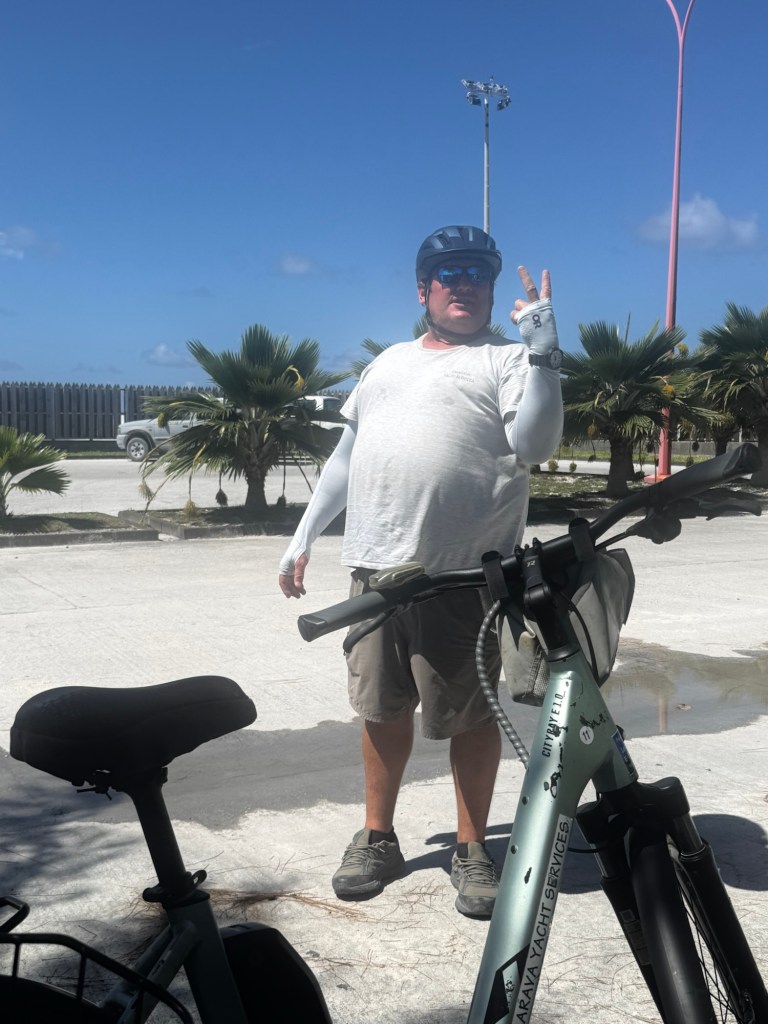
Hailed a taxi from the cruise ship dock to the Hilton in Moorea. From there the taxi driver took me to a public beach at Apunohu Bay. Wasn’t ready to snorkle so started walking down the road. Stopped at a store showing cool clothes from Italy and 2 e-bikes out front. Noticed a bike lane. Rented a bike for 2 hours at $22 from an Italian named Max. Could cover lots more ground with bike vs walking. So many local stores selling homemade gifts, smoothies, fruit plates. Had a blast! Dropped off bike and walked to the public beach to snorkel then walked to Hilton to hail a cab. Stood on road and a cab stopped to pick me up. Two cruisers in back seat recognized me! I was grateful for the ride and tipped $10 USD.
Author: jeannielang
Bora Bora, Tahiti
After a day at sea, we returned to the Society archipelago to visit Motu Mahaea and Bora Bora. Motu Mahaea was a small island where Windstar grilled American food and offered water sports. I finally stood on paddle board, fell in water 5 times but always got back up only to fall down again!Went in kayak but mostly snorkeled around the small motu.

Approaching the island of Bora Bora by sea is enchanting. I have approached islands of French Guyana, Caribbean, Hawaii but Bora Bora’s peaks are majestic.

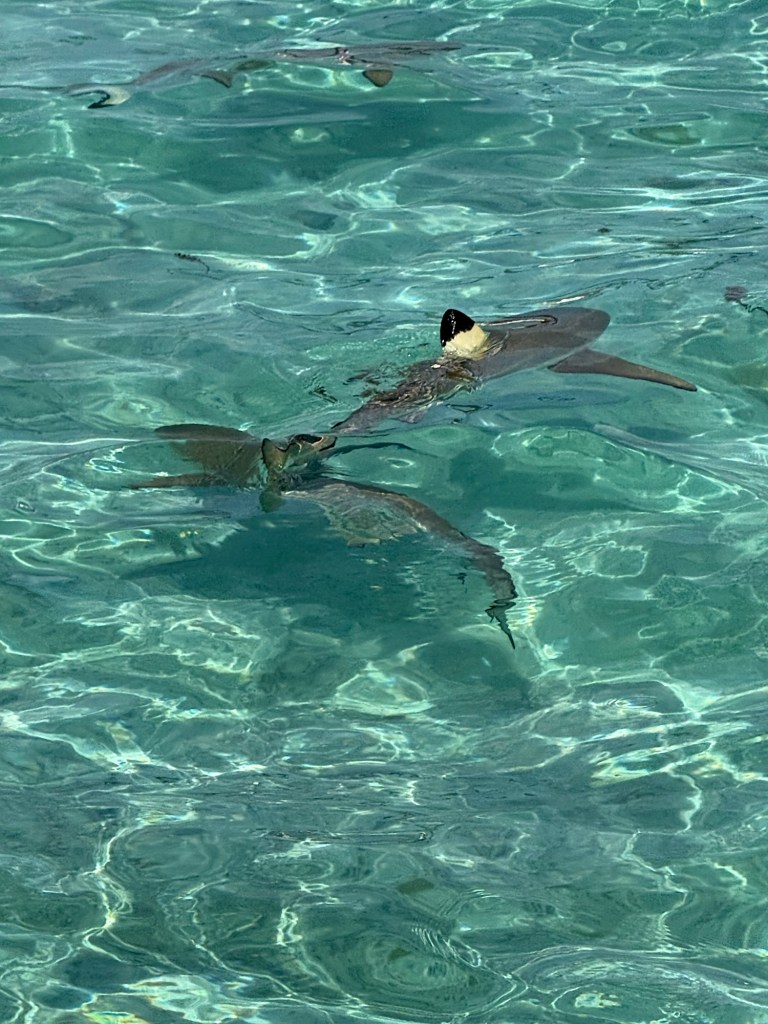
Snorkeling with black tipped sharks, sting rays and spotted a camouflage eel was the highlight of my trip. It is possible to travel by ferry, then taxi to hotel. But lodging is high end and expensive.
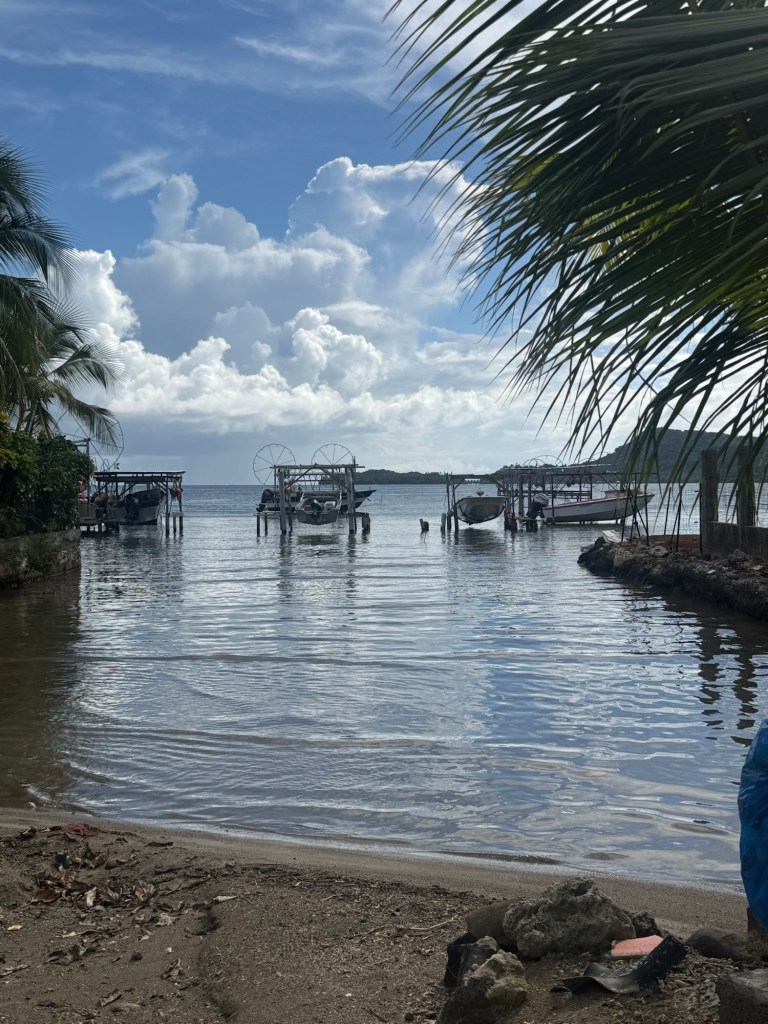
Walking around Vaitape, capital of Bora Bora is eye-opening. Unlike Hawaii, these islands are authentic. From the one lane paved road, there is an abundance of local fruit: bananas, mangoes, papayas and groves of pineapple too. Many of the houses have corrugated roofing, but they all have a boat landing if they’re on the waterside and many have cars or scooters, reflecting resources. The dogs, cats and chickens cross the road, always one dog is limping. From the one lane road, I passed a dentist, an eye doctor, & vet medicine, likely visiting services. You see everything on the road. A young man pulling a wheelie on his motorcycle, a two year-old fast asleep in mother’s lap on scooter, a tourist filming from back seat of scooter, a Mother and 2 kids riding a scooter. A bicyclist with baguette in the basket. Everyone wears helmets, likely French law. And dead crabs dot the road. If you want to find the market on Sunday look for the cars and you’ll find Chin Lee, a general store similar to Hasegawa in Hana, Maui.
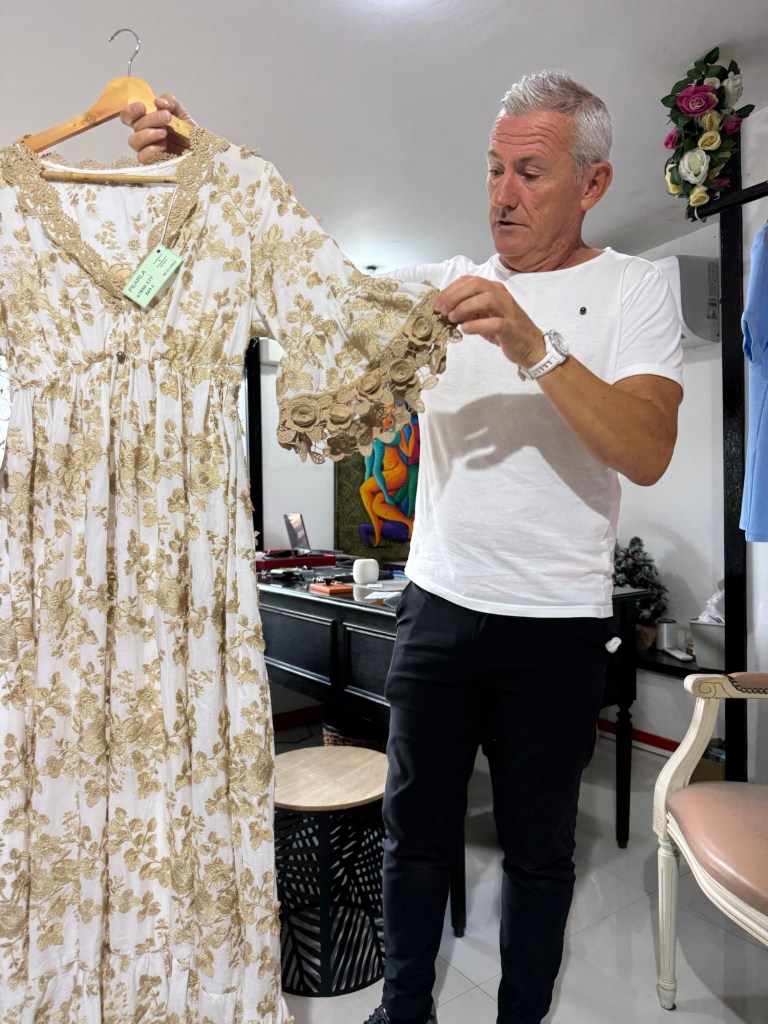
Shopping in town of Bora Bora is fun! Maybe one block, mostly French run greeted in French but Polynesians selling too. Tahitian pearls in every setting imaginable and home made dresses and shirts available at high prices $150 for a shift without pockets. Tahitian pearls come with diamonds marking up prices but we found more reasonable pearls set in beads.
Tahiti

The French Polynesia five archipelago is roughly the same size as Europe. Located further south from Hawaii and half way to New Zealand. Think the same longitude of Lima, Peru but in the middle of the Pacific Ocean. The archipelago is comprised of volcanic islands, coral atolls and the vast Pacific Ocean.
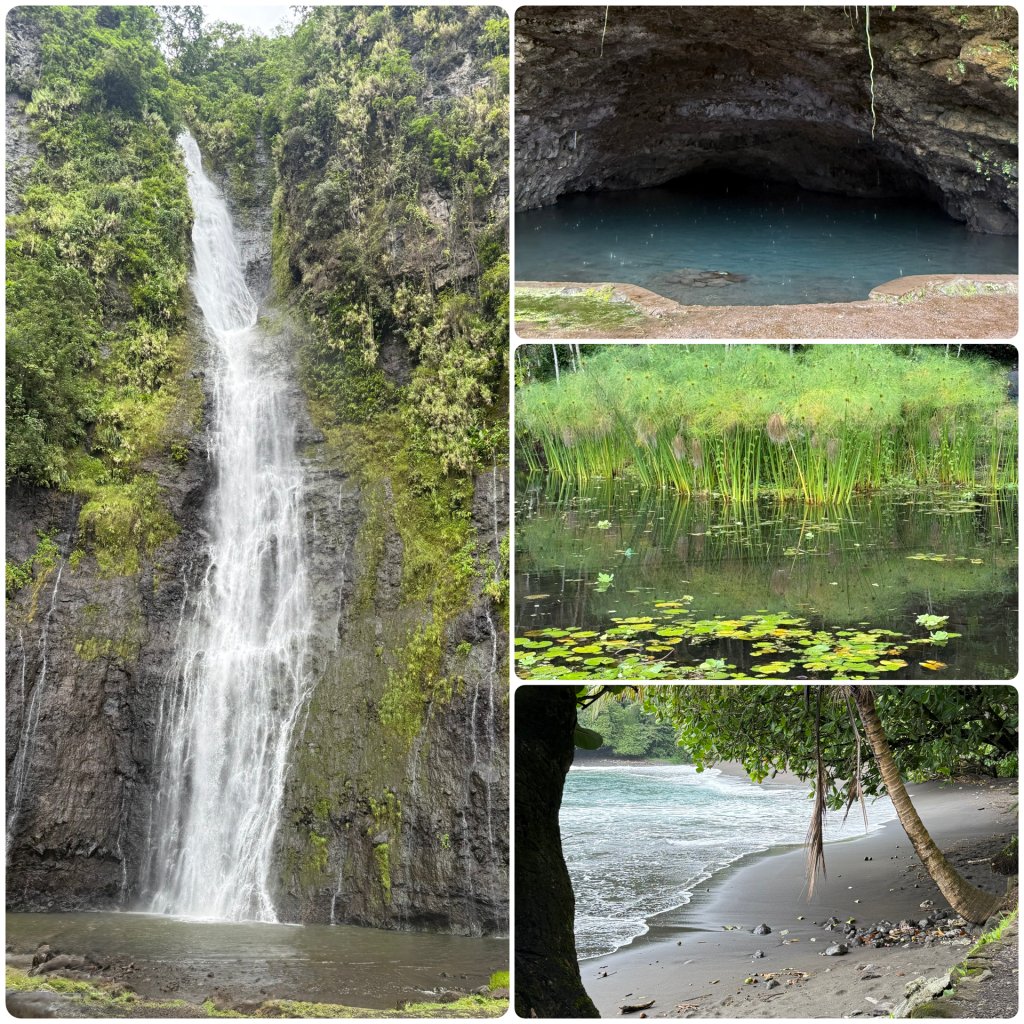
Before the cruise, from the town of Papeete, we took a 4 hour tour of the island of Tahiti: visiting a grotto, a garden, a waterfall and several landmarks. Interestingly, Mutiny of the Bounty was written by the great grandfather, Charles Bernard Nordoff of our tour guide. At the hotel pool in Papeete during a deluge, met a couple from Cook island archipelago who explained no foreigner can buy land on their island Rarotonga. They own and manage a beach resort while raising 3 children and are privileged to travel to New Zealand, Australia and neighboring Pacific islands.
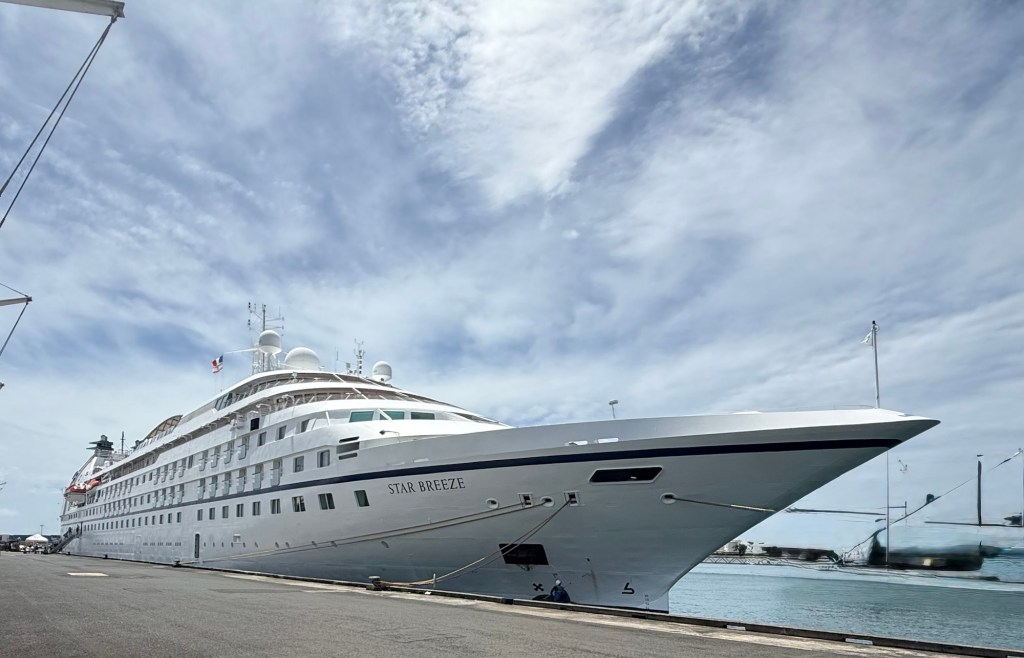
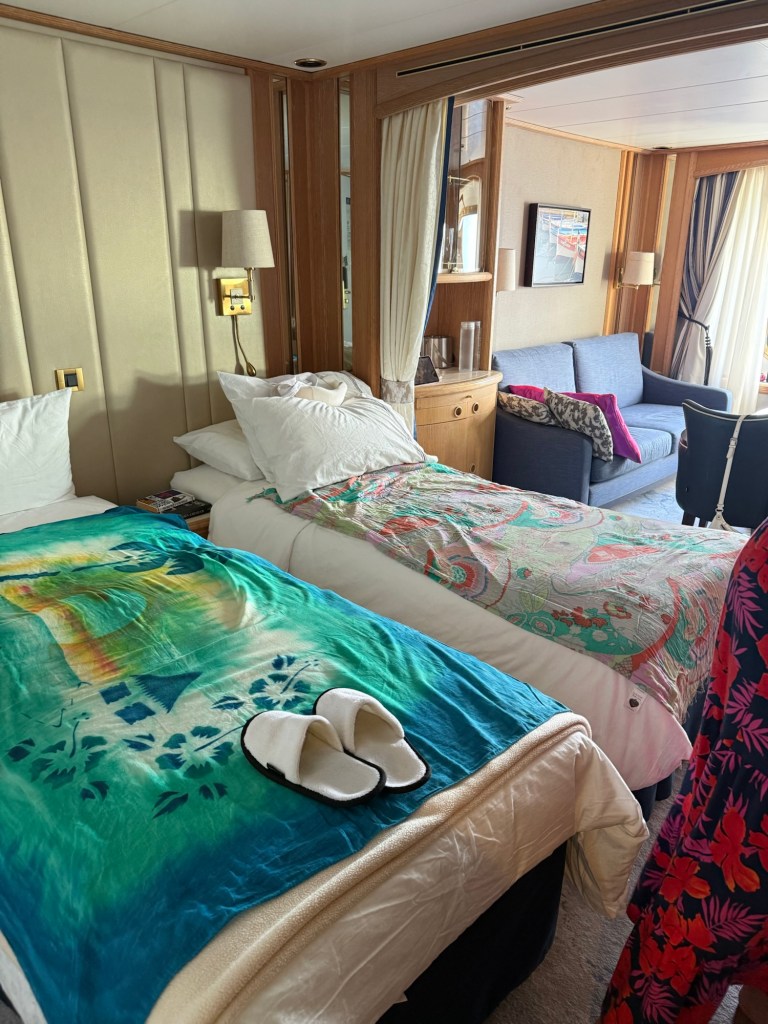
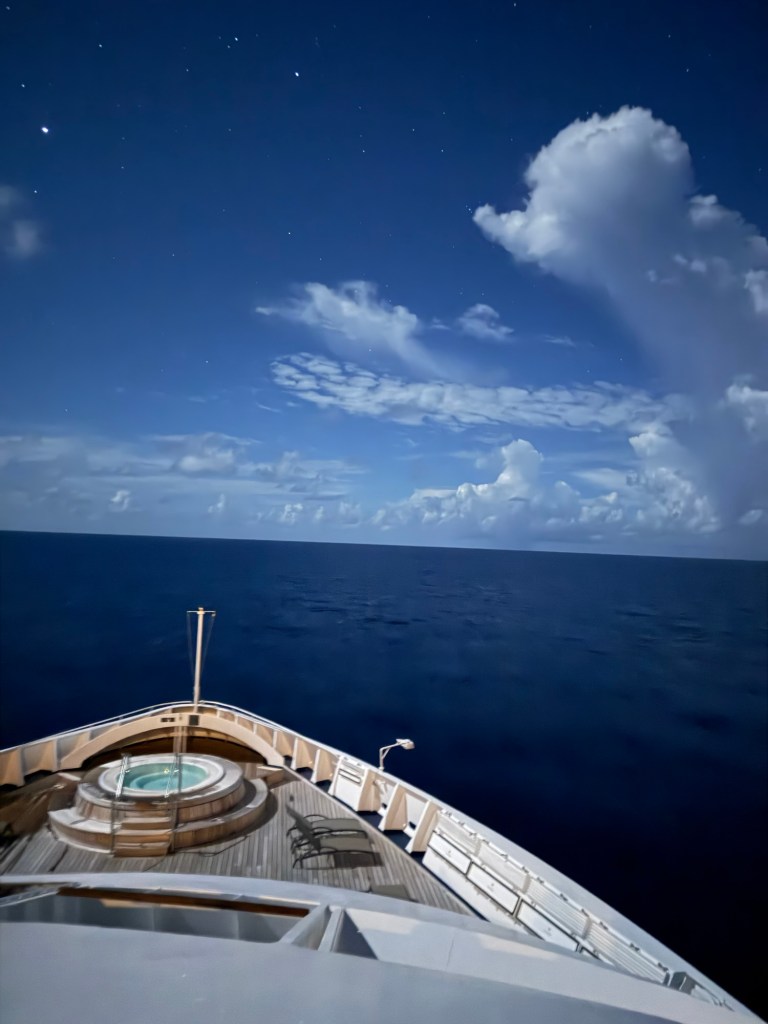
Embarking on the cruise from bustling Papette harbor was organized and efficient directed by WindStar. This 10 day cruise blends 2 days at sea and visiting 5 islands over 10 days. We cover 2/5 archipelagos: Tuamoto and Societe. Our cabin is spacious with a large window port side watching the horizon and endless waves. A basket of fruit, ample bottles of water and a stocked refrigerator is the norm. Outside the cabin there are a number of places to eat, to drink, to exercise or simply to watch the sea. All the amenities coalesce into an elegant but not a stuffy sailing vessel.
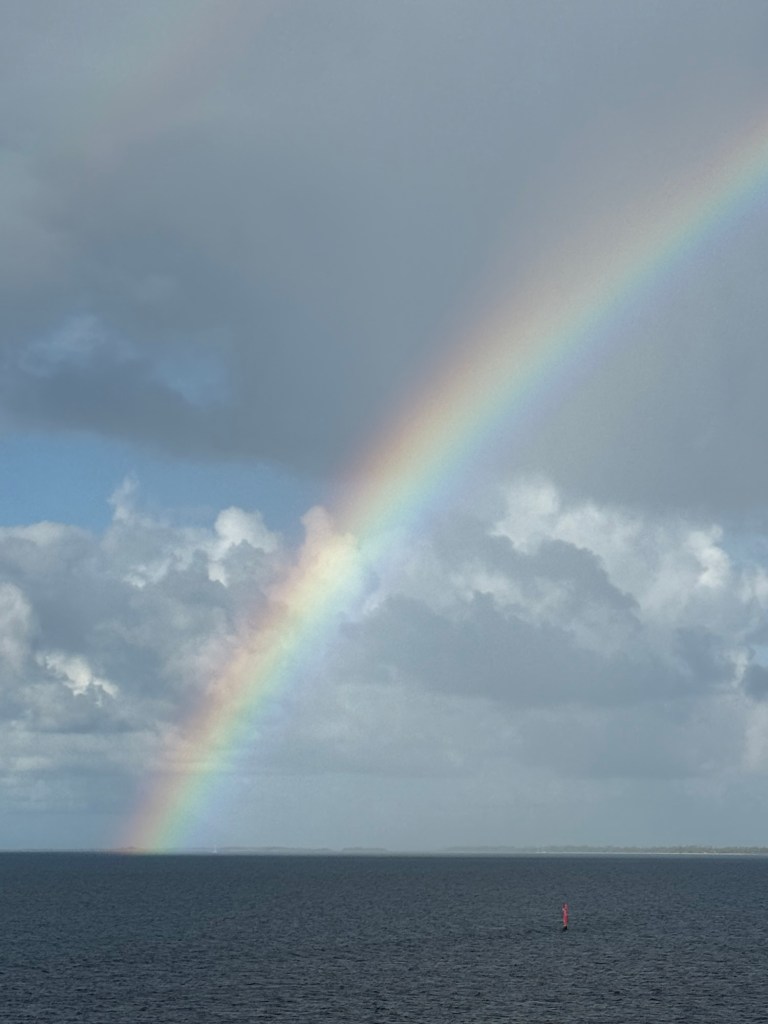
After a day of at sea we arrived on the atoll from the Tuamoto archipelago, called Fakarava. We were greeted by an early morning rainbow from a passing squall. Fakarava is known for diving with sharks. The only paved road of this atoll is bustling with a tractor picking up trash, locals riding beat up bikes, or scooters and trucks driving to and fro.
Otherwise dirt roads abound to the ocean and lagoon. The coastline of the lagoon is aqua blue with coral reefs and a small number of anchor outs dot the horizon. On Fakarava foreigners can purchase land but it’s risky because a local can claim the land even after signed paperwork.
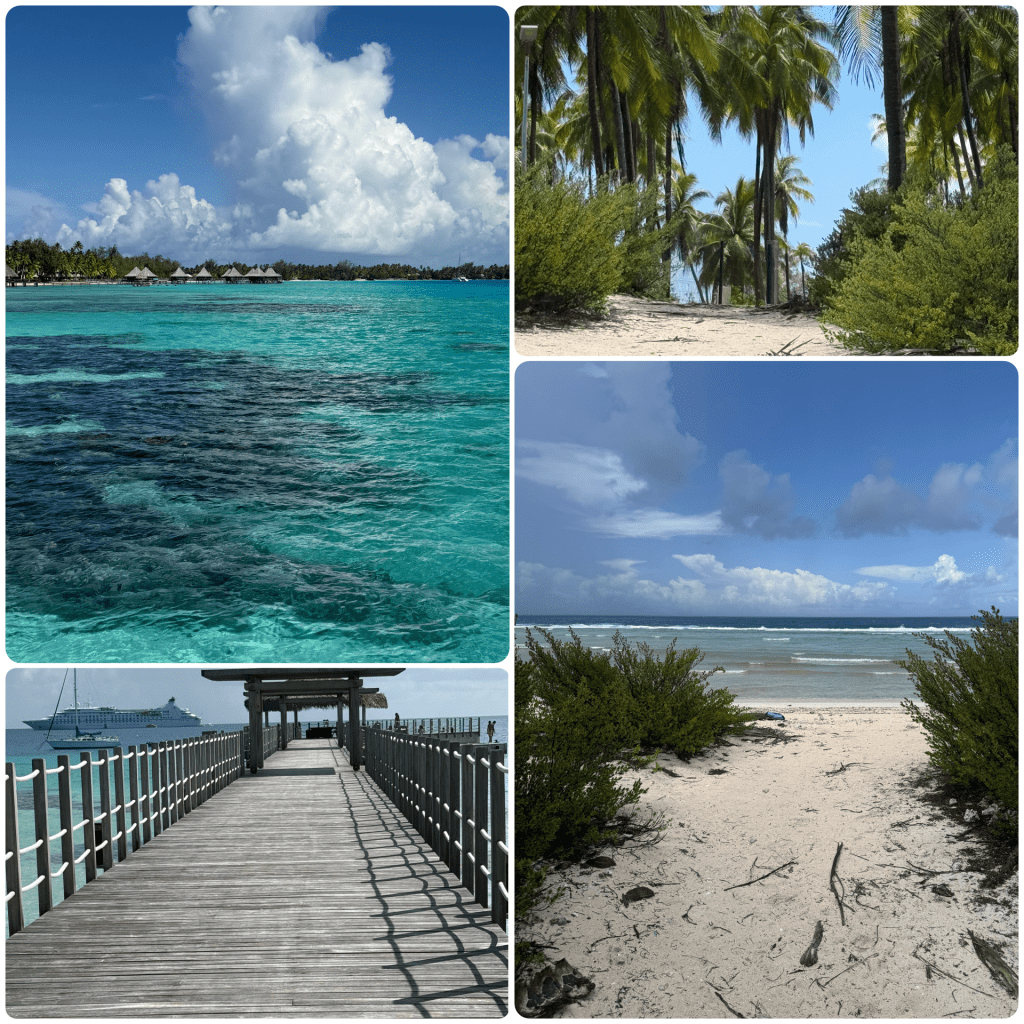
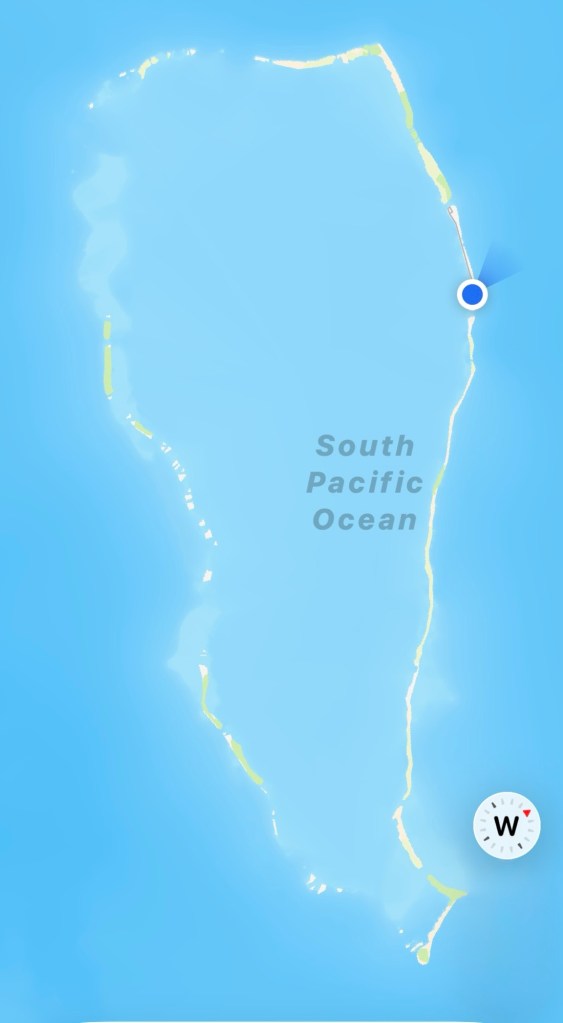
From Fakarava we motored 7 knots overnight to the largest atoll, Rangiroa in the Tuamotu archipelago. Snorkeling in the lagoon of Rangiroa met expectations. The coral is not colorful, but fish are in abundance and the clarity of the lagoon allows you to see white sand & black tipped reef sharks below. After snorkeling, took a walk on the ocean side and was stopped dead in my tracks when I spotted 3 animals running toward me in the shallow surf. Ended up to be 3 feral dogs who ran past me and later ended up in the lagoon side with 2 French tourists. The coastline is a combination of white sand and broken up coral. Under the palm tree, locals hang out, children play in the sand, and reggae music in the air.
Goodbye Japan
Geisha
During & after WW ll, Japanese prostitutes called themselves geishas and a misunderstanding spread throughout USA & the world, prompting the Hollywood film Memoirs of a Geisha. Geisha aka geiko & apprentice aka maiko developed under Samurai period 300 years ago. During Samurai period, entertainers trained to learn traditional Japanese art: dance, sing, play instruments, calligraphy but most importantly conversation. In old days, rooms without electricity, lit up white powdered face and party only 90 minutes based on 2 incense burning. Today, very rare for Japanese to attend exclusive geisha party. Today, 300 geishas living in Kyoto, highest in Japan.
Torii Gates of Mt Inari
Mt Inari is sacred mountain in Kyoto famous for shrine, network of trails, thousands of red Torii gates and statues of foxes. Why is fox guardian of shrine? Shrines grow rice. Rats eat rice. Fox eat rat. Famous for thousands of golden red Torii gates donated by businesses seeking prosperity, paying up to $200,000. Open 24/7.
Kyoto Central Train Station
Architectural wonder! 1997 Japanese architect, Hiroshi Hara won global contest to build his vision of futuristic avant-guard train station. Initially controversial in this traditional, historic city of Kyoto. Today architectural wonder embraced by all & enhanced by light shows & stunning views of city & Kyoto tower.
Sumo wrestling (Tokyo)
Sumo wrestlers, in traditional garb arrived at sumo stadium for meet, parents trailing behind. Small stadium always sold out & patrons sit on thin floor cushions. When crowd roused they throw cushions at stage. Actual wrestling lasts 7 seconds. The ring is small made of dirt from river. Wrestler loses if lands on ground, steps out of ring or hair touches ground. Ok to slap but not punch. Winner wins money but there is no betting in Japan.
Bonsai (Tokyo)
Originally from China but adopted in Japan. Means potted plants. Like geisha, sumo wrestling & taiko drumming, only small niche of elder Japanese interested. Very expensive to purchase. Recently, ancient white pine bonsai sold for $1.3 million, still awaiting to be picked up.
Tokyo Japan
Tokyo
Finally got up the nerve to use bidet, directions in Japanese. Problem was couldn’t figure out how to stop the flow of warm water until I used Google translate! Again, train travel more daunting than Seoul. I downloaded Suica payment card but still so many trains, lines, exits. English translation is fleeting on boards.
70% of Japan mountainous, 68% forests (1 Finland, 2 Sweden). History & symbolism at ancient Asakusa pagodas coupled with modern architecture of Tokyo merging old & new. For instance only small niche, older generation, still interested in bonsai & sumo wrestling.
Accessibility
Compared to the US with far few people, Tokyo is well maintained and accessible. On either side of stairways there is a narrow ramp for bike and strollers. Every street has a raised yellow tactile/auditory signal & braille at intersection for the blind. More than 1 million/day use train station for travel & commute but they stand in single file line to enter. Every public bathroom is well maintained: has a bidet, toilet paper & hand hygiene. Some even have music of water! City hotels are small, but well appointed, often self check-in. And many restaurants are cashless, Apple Pay everywhere. Walking across a city intersection is orderly and enter single file on trains. On the street bicycles replace motorbikes. Although both countries export EV vehicles, they have not arrived in South Korea or Japan but you see some E bikes. The shopping in Seoul, South Korea is on the street markets, underground & malls, whereas in Tokyo, there are malls for electronics, clothes, foods, restaurants. Each mall has a smoking, nursing room and always a food court. You can seriously get lost or do some damage shopping.
Tour
Once again, I don’t like the OAT tour excursions I didn’t care to meet a sumo wrestler behind a laptop and a Taiko drummer playing like a 5 year old. Bonsai was of no interest. But I still appreciate the tour & find some element interesting. I like the fellow tourists & when I’m on my own, I walk 8 miles & have a great time!
Hakone
The mountainous town of Hakone is a day trip from Tokyo. Hakone is famous for its volcano that erupted 10 yrs ago and warm springs. From Tokyo we took bullet train, funicular, gondola to reach the town. The volcano is surrounded by black dead trees from gases & famous for hard boiled black shelled egg, boiled for 1 hour in hot springs. Local belief eating egg adds 7 years to life. I ate one.
North Korea/DMZ
North Korea is the most dangerous border in world. The Demilitarized Zone aka DMZ runs along the 38th parallel resulting from peace agreement from the Korean War. Actually DMZ is not demilitarized but heavily fortified by checkpoints, army base, soldiers, land mines, blockades, toll gates and barbed wire everywhere. Under the DMZ, tunnels were built by North Koreans for invasion, and discovered 1978 by South Koreans. A defector previously surveyor reported the tunnel large enough to move 30,000 troops/hour showing their intention to infiltrate. Currently, about 10 million visitors visit the DMZ. Our passports checked twice & no pictures or video. There is an observatory to see the landscape of North Korea, a 0.4 mile walk inside tunnel and crossing of the unification bridge.
The Unification bridge crosses South Korea to the DMZ. Interesting fact- Founder of Hyundai Chung Ju-yung donated money to build the Unification bridge. He was born a poor farmers son in N Korea. He stole Dads cow, sold it & used the money to defect into South Korea. In South Korea, he made his money by an auto repair for US military before founding Hyundai. He donated money to build the Unification bridge at the DMZ. Once bridge opened, he took 1000 cows across bridge to honor his Father whose cow he stole.
Korean War (1948-1953) is known as the lost war. Like the Vietnam war, both were a draw but unlike the Vietnam War, Korean War was not televised. 300,000 Chinese troops without weapons, invaded North Korea because UN troops pushed North Korean forces to China border, which posed a threat to China’s security. Like the Vietnam war, Americans sent ground troops & heavily bombed Korea. My Dad was a musician entertaining the troops with Bob Hope during the Korean War. CORRECTION-When Dad was there, there was no 38 parallel. He played for the troops in capital of North Korea all the way up to the Chinese border. When the Chinese sent troops in, the Americans were pushed all the way back to the 38th parallel.
In addition to gender inequality, single Mothers, dog eating, discrimination against defectors….the issue of Unification (between N & S. Korea) continues. Majority of Koreans consider North Korea as a separate country that they hear on the news. Whereas the older generation envision a Korea a single, sovereign state. North Korea could contribute natural resources: rare earth elements (used in combustion) and add a population of 25 million.
The North Koreans are indoctrinated to worship President Lin but neglect poverty and hunger of its people. Indoctrination, propaganda, censorship in North Korea continues today. They say weapons are hidden inside tunnels in mountains. South Korea monitor how the mountains have severe deforestation. There was 34,000 defectors but that number has dwindled of recent. Still North Korea sends balloons dumping trash into South Korea. In retaliation the South Korea soldiers at the DMZ blast K-pop and loud message to say “Life is better in South Korea. If you want to defect, we will take care of you.” A north Korean soldier at border contemplated defecting for 3 years but took only 3 hours to successfully cross the border.
PS Dog breeding & eating was abolished by impeached President & wife who were dog lovers.
Seoul, South Korea
Our OAT tour started in Seoul, South Korea with our exemplary 40 year old guide, Pam Kim who was born in Seoul, immigrated at 14 with her family to Toronto, Canada. She remained thru college and recently returned to Seoul as a professional tour guide. Night & day compared to our Vietnam guide. We are traveling with 5 others: Marcia retired high school guidance counselor who’s married to Burt, a retired attorney. They are traveling with their sister, a creative writing professor from Chicago. They are Jewish, 70 years old and well traveled. The other 2 women are older from Walnut Creek, churchgoers, well traveled on their 24th OAT tour.
We are staying in a lovely high rise hotel in the Myeondong location, close to subway, night markets and cable car to Seoul tower. No views from room but that’s OAT Tours. On our 1st day our tour passed a large protest. Protests common in Seoul, protected by police (battons, stun guns only) & sanctioned by government. In 2024 President Yoon declared martial law for no reason other than to compromise democracy. It was not only a local but global crisis. As recent as 2025, Yoon was impeached, later arrested, indicted & imprisoned citing treason. Wife received many designer items as bribes by Unification Church aka Moonies, interestingly, the founder from S Korea.
More interesting than the Gyeongbokung Palace tour, free for seniors, built in 1395 was walking thru historic Bukchon Hanok village. 900 well preserved homes house 6100 residents down quaint narrow streets with views of the city. Homes built tongue & groove (no nails) have large antiquated wooden doors with modern touches, a RING. Our lunch was delicious chicken soup at famous local Michelin restaurant. Our dinner also local & authentic barbecued pork, cooked at our table. Guide Pam offered us tastes of rice wine & 50% alcohol shots! Great 1st day!
Consumerism is thriving in this capital. Underground shopping, night markets, boutiques along the boulevard. The biggest industry seems to be make up and skin care.
Even though South Korea has the lowest birth rate in world, the number of people is astonishing, 50 million to be exact. The queue for popular eating spots, made popular by social media are hours long. Still crossing the street is organized until you reach a busy intersection that does not accommodate pedestrians aka crosswalk. One must walk city blocks or get lost in the underground before emerging triumphantly in the daylight!
The fashion in this capital city of South Korea is stylin cute to elegant chic. Due to the summer warmth, the colors are subdued, white, gray and black, many tennis shoes and waterproof boots, and always the proverbial umbrella or hat again to protect against the sun. I don’t know the demographic but based on how few places to sit in the city I’d say it’s a young country. The number of American companies is staggering; Kinko’s Baskin Robbins, Starbucks, McDonald’s, 7/11. Tom Cruise is on only English tv station.
My 2nd day I opted out of the tour to the farm to make chilie paste. Instead I walked 10 miles around the neighborhood, first to Shinsegae, a high end popular mall. The basement had foods similar to Harrods in London. And walked to the Four Seasons hotel where Barbe stayed. At night took cable car to Seoul tower to revel in city lights.
Ha Long Bay & town
Embarked on a 6 hr drive from Hanoi to Ha Long town for 2 nights & a private cruise on Ha Long bay, to relax amidst towering limestones islands, explore caves and a swim. That is if they get the engine working….Notably in July of this year, a tour boat sunk from bad weather with 39 mostly Vietnamese from Hanoi died & received only $950 USD compensation.
Before reaching Ha Long Bay we stopped to meet a character that raises snakes: pythons, rat snake. He, like a family in Old Quarter of Hanoi make their own moonshine. Only this guy puts the dead snake coiled into the clear jar with the moonshine. Sign of masculinity I think.
This tourist town of Ha Long is less desirable than the cruise. The town is over developed but unfinished at the same time, a virtual ghost town! It has an amusement park, roller coaster, water park, cable car, ferris wheel that was either deserted or not working. High rise hotels tower during the day & brightly lit by night but vacant or unfinished. A barrage of unfinished modern 4 story condominiums overlook the bay with a paltry number of construction workers. No convenient store accepts credit cards in this tourist town. It is an enigma. AI notes a shift in Chinese tourism trends, overbuilding and high operating costs contribute to ghost town feel.
There is no such thing as quaint seaside town with 1 million inhabitants in Da Long town. Town is modern, sprawling but they got planning all wrong. The only reason to be here is boat ride to the UNESCO site. Like every other tourist back in Hanoi hotel, I would have stayed in Hanoi & taken day trips to these towns rather than stay 2 nights in a ghost town that doesn’t accommodate tourists! Nevertheless, no regrets traveling to Vietnam.
On the other hand, OAT tours delivered with relaxing boat cruise to Ha Long Bay. We took a slow boat to China with 6 accommodating crew. We explored 1 mile of well lit caves before the crowds of tourists could be seen & heard. We returned to our boat for home made lunch then a swim, ice cream and back to the hotel on our slow boat to China. It was a truly magnificent site, the cave well preserved using pathways but the Bay is inundated with, Chris counted 30 private cruise ships and bay littered, despite the UNESCO site. Tonight we walk to loud techno music, crazy lights, against massive outdoor stage with bikini clad dancing women in cages at the Valley Beach Club. God help us! Tomorrow we fly to Seoul, South Korea.
Vietnam tour
Vietnam tour has begun with our local 25 year old guide and a nice New Zealand woman who lives near Toronto, Canada. So far, the Vietnam tour is too intimate for my style, But I’ve learned that Vietnam was occupied by China, Japan, French & attempted by America 1965-75. The patriarch of Vietnam (Uncle) Ho Chi Minh heavily influenced Vietnamese people to fight the Americans to seek independence thru solidarity.
Current Vietnam is socialist dominated by single communist party, heavily censored. This year, government pays for public education and by 2030 they aim to replace gas powered scooters with electric. There is an emphasis on beautiful, colorful mosaic walls but infrastructure lacking as water not potable by locals.
Yes, Vietnams economy growing, still a developing country. Up to 12 can live in narrow vertical homes in the old quarter. Outside, exists a chaotic & dangerous tangled wires while on the ground, flooding occurs when it rains. Think the movie Parasite. McDonalds is expensive compared to the cheap street foods in Hanoi. Very few homeless but even they are selling matches or toothpaste.
There is no evidence of police patrolling the streets, instead there is a reported abundance of undercover cops posing as Grab or Uber delivery. Chris and I like to speculate who’s undercover! Walking across the street is INSANE. You just keep a steady pace, knowing buses don’t stop and mopeds move to accommodate the pedestrians. The sidewalks are for street vendors, parked mopeds, men repairing shoes or carving spools, and room and maybe for a pedestrian walking single file.
The highlight of Vietnam was eating bun cha, a delicious soup with grilled pork & noodle, egg roll & beer all for $6 at the same diner President Obama and Anthony Bourdain made history, seen on YouTube. The table & bowls are memorialized behind plastic exactly where they sat.
Asia 2025
Not sure why I’m visiting Vietnam, South Korea & Japan. I’ve never had interest in Buddhist temples or Asian artifact and the food is a stretch for my traditional American palate. Still I’m spending 3 weeks touring countries I’ve only heard about growing up. As a young girl, I heard about the Korean War from Dad who entertained troups with Bob Hope. In the 60s, the Vietnam war was well televised and later highlighted with movies like Apocalypse Now, Coming Home. That was my 1st protest.
Arrived Hanoi, Vietnam. Initial impressions: Thriving city full of moped chaos, street vendors and friendly locals. Because of the oppressive heat, life takes place on the street (vs inside): peeling vegetables, mending shoes, making keys. Also because of the heat, night life is as vibrant as daytime. English is not spoken and cash is King!
Tour starts tomorrow but my first day walked 8 miles reflecting on history of the American war aka Vietnam war. Saw the bunker during the war that housed Joan Baez & Jane Fonda at the Metropole hotel where Presidents, monarchs, celebrities stay. Visited Hoa Lo Prison aka Hanoi Hilton built during the French occupation in 1896, the biggest and highest security in IndoChina. Focus on horrible treatment of Vietnamese as POW during French rule with little mention of the atrocities to American POWs. Rather museum rhetoric dilutes their treatment of American POWs and highlights American crimes against the people. For sure, it was a senseless conflict but the Vietnamese were not saints.
On a happier note, Sunday displayed the best of Vietnam fashion including women dressed to the nines and several brides surrounded by photographers. PS Haven’t seen one dog.
 idreamofjeannie